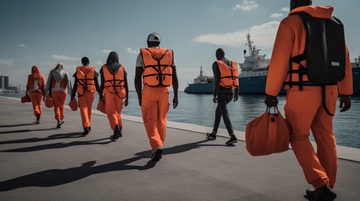
In today’s volatile maritime environment, the ability to respond swiftly and effectively to emergencies is crucial for safeguarding lives, assets, and reputation. The Maritime Emergency Preparedness & Crisis Communication Masterclass equips shipping leaders and operational teams with the expertise to develop robust emergency response strategies and master the art of crisis communication—ensuring operational resilience and stakeholder confidence during high-impact events.
This comprehensive course covers international regulatory frameworks (ISM Code, ISPS Code, SOLAS), best practices for emergency planning, and the establishment of incident command systems for both shipboard and shore-based teams. Participants will explore effective communication protocols, media management techniques, and hands-on incident management, reinforced by real-world maritime case studies and scenario-based exercises.
By focusing on proactive planning, leadership in crisis situations, and integrated communication strategies, delegates will learn to minimize operational disruptions, mitigate financial and reputational risks, and drive business continuity. The Maritime Emergency Preparedness and Crisis Communication Masterclass emphasizes the critical interplay between human factors, legal considerations, and modern technologies—including digital tools and AI—for emergency preparedness in the evolving maritime sector.
Course Objectives
Upon successful completion of Maritime Emergency Preparedness and Crisis Communication Masterclass, participants will be able to:
Grasp core principles of maritime emergency preparedness and crisis management.
Apply international regulations and industry standards in emergency planning.
Develop and implement effective shipboard and shore-based response plans.
Lead and coordinate through incident command systems under pressure.
Master crisis communication and stakeholder engagement, including media relations.
Address legal, financial, and reputational challenges in incident response.
Harness technology and digital tools for improved situational awareness.
Foster a proactive, resilient culture of safety and continuous improvement.
Who should attend?
Shipping Company Executives & Owners
Designated Persons Ashore (DPAs) & Company Security Officers (CSOs)
Vessel Masters & Chief Mates
Shore-based Operations & Marine Superintendents
Emergency Response Team Members (Shore & Shipboard)
Public Relations & Communications Managers
Maritime Legal & Insurance Professionals
Training Methodology
Our diverse instructional approaches ensure effective learning:
– Lectures & Presentations: Engage with expert-driven, stimulating content. – Course Material: Access well-crafted supporting resources. – Group Work: Collaborate on discussions and case studies for practical insights. – Workshops & Role-Play: Participate in immersive, scenario-based activities. – Practical Application: Focus on applying theoretical knowledge in real situations. – Post-Training Support: Receive extensive support after training for skill implementation.
Training Outline
Foundations of Maritime Emergency Preparedness & Crisis Management
Understanding the Maritime Risk Landscape: Trends and Threats
The Value of Preparedness: Lessons from Real Incidents
Definitions: Emergencies, Crises, and Incident Response in Maritime Contexts
Building a Safety and Resilience Culture at Sea and Ashore
Regulatory and Industry Standards Framework
Overview: ISM Code, ISPS Code, SOLAS, MARPOL, and ILO MLC
Flag State, Port State, and International Agency Roles
Emerging Regulatory Trends: Cyber, Environmental, and Social Governance (ESG)
Integrating Regulatory Compliance with Practical Preparedness
Discover how our courses enhance professionals’ effectiveness in their workplaces.
No reviews found. Add reviews from the dashboard or switch source to Manual.
FAQs – Maritime Emergency Preparedness and Crisis Communication Masterclass
Find answers about course content, certification, registration, and AI skills for executive assistants.
What is the primary objective of the Maritime Emergency Preparedness course?
This masterclass equips maritime leaders and operations teams with practical strategies to handle maritime disasters, vessel incidents, and port emergencies. It focuses on crisis response protocols, command structure execution, media relation management, and stakeholder communication during high-pressure emergency scenarios.
Who should attend this emergency preparedness and crisis response training?
This training is designed for Designated Persons Ashore (DPA), crisis management team members, port safety officers, marine superintendents, public relations officers, corporate communications leads, and executives responsible for emergency response and reputation management.
What key modules and crisis communication topics are covered?
The comprehensive syllabus covers essential emergency management domains:
Incident Command & SOLAS: Structuring Emergency Response Teams (ERT) in line with ISM Code and SOLAS standards.
Crisis Communication Playbooks: Crafting rapid press releases, holding statements, and managing social media during marine incidents.
Spokesperson Training: Media handling under pressure, press conference management, and reputational risk control.
Business Continuity & Recovery: Post-incident debriefing, casualty handling, and long-term organizational recovery.
How does the course address international maritime safety regulations?
The masterclass aligns with key regulatory frameworks including the International Safety Management (ISM) Code, SOLAS guidelines, ISPS Code emergency procedures, and international Search and Rescue (SAR) coordination protocols.
What learning methods and delivery formats are available?
Prospen Africa delivers this course through live interactive virtual sessions and in-person executive workshops. Teaching methodologies include emergency simulation drills, tabletop crisis exercises, real-world maritime case studies, and media interview simulations.
What certification and practical resources do delegates receive?
All participants who complete the training receive an official Prospen Africa Certificate of Completion. Delegates also receive an emergency response toolkit containing crisis media templates, checklist guidelines, incident response workflows, and post-course email advisory support.