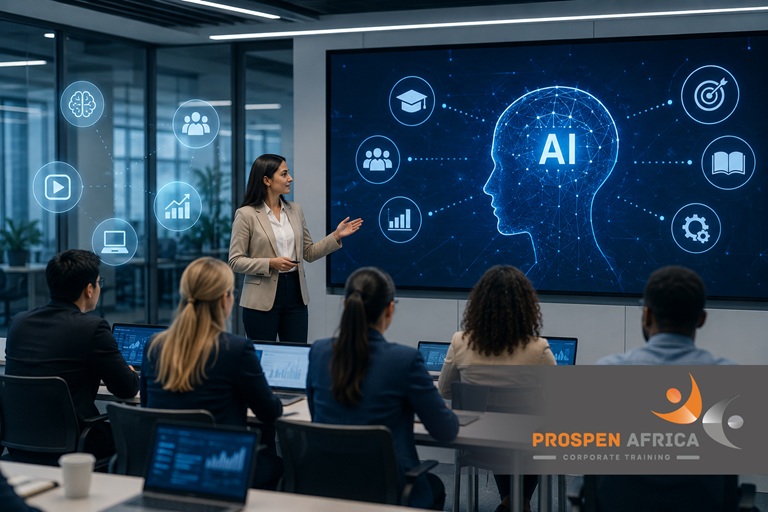
Why Organisations Must Build AI Fluency Faster Than the Skills Gap
The skills gap is no longer a “future problem.” In 2026, the real challenge facing organisations is skills velocity—the ability to build the right capabilities quickly enough to keep up with changing roles, tools, and customer expectations.
Across industries, the pace of change is being driven by AI and digital transformation. LinkedIn’s “Skills on the Rise 2026” reflects this shift by spotlighting the fastest-growing skills—an indicator that employers and professionals are actively rebalancing what “job-ready” means. At the same time, South Africa’s draft national AI policy is signalling that AI readiness is not only about productivity—it’s also about governance, responsible use, and national competitiveness.
So, what should organisations do right now?
1) Treat AI as a baseline workplace skill (not a specialist skill)
AI is no longer “for IT only.” The organisations winning in 2026 are building AI fluency across departments—HR, finance, operations, customer service, and leadership. This is echoed by major initiatives aimed at getting AI and digital skills to wider audiences.
Explore Prospen Africa's recommended learning paths to master AI concepts tailored for strategic growth and practical application:
4) Create a “skills velocity” plan for the next 90 days
If you want real momentum, don’t try to train everyone on everything. Instead:
select priority roles,
choose the most valuable workflows to improve,
train small cohorts,
deploy quick wins,
then scale.
This approach builds confidence and accelerates adoption—without overwhelming teams.
Ready to plan your 2026 skills roadmap?
Prospen Africa offers a growing portfolio of AI & Digital Management programmes for leaders, HR, finance, communications, and governance teams. Explore your options below: