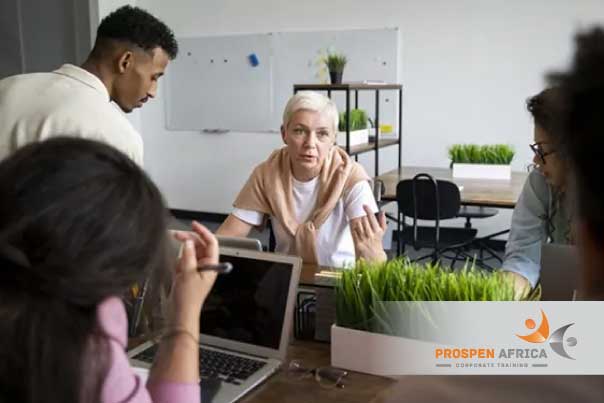
Gender Mainstreaming in Agriculture and Rural Development Seminar
Master gender mainstreaming in agriculture. Learn to analyze resource access, design inclusive policies, and construct gender-sensitive monitoring and evaluation frameworks.
Agriculture remains the backbone of rural livelihoods and a critical driver for achieving sustainable development goals. However, persistent gender disparities—rooted in social norms and unequal access to resources—continue to limit the sector’s full potential and hinder inclusive growth. Integrating gender perspectives into agricultural and rural development initiatives is essential for reducing food insecurity, alleviating rural poverty, and empowering communities.
This comprehensive Gender Mainstreaming in Agriculture and Rural Development Seminar is designed to equip participants with the knowledge and practical tools to address gender-based challenges and promote gender equality in agriculture. Through a mix of interactive sessions, real-world case studies, and group exercises, participants will learn how to design, implement, and monitor gender-responsive agricultural projects and rural development programmes that truly make a difference.
Course Objectives
By the end of this Gender Mainstreaming in Agriculture and Rural Development Seminar, participants will be able to:
Demonstrate foundational skills in gender mainstreaming.
Recognise the role of gender in rural development and agriculture.
Identify key gender issues and needs within the agriculture sector.
Apply strategies to advance gender equality in agricultural and rural development initiatives.
Integrate gender perspectives into project design, policy, and implementation.
Develop gender-sensitive monitoring and evaluation (M&E) frameworks for agriculture and food security programmes.
Who should attend?
This Gender Mainstreaming in Agriculture and Rural Development Seminar is ideal for:
Agricultural extension officers
Senior agricultural officials and policymakers
Community development practitioners
Project managers in rural development
Representatives from funding agencies and NGOs
Researchers and analysts in agricultural sectors
Gender specialists and advocates
Professionals involved in agriculture support and development programmes
Training Methodology
Our diverse instructional approaches ensure effective learning:
– Lectures & Presentations: Engage with expert-driven, stimulating content. – Course Material: Access well-crafted supporting resources. – Group Work: Collaborate on discussions and case studies for practical insights. – Workshops & Role-Play: Participate in immersive, scenario-based activities. – Practical Application: Focus on applying theoretical knowledge in real situations. – Post-Training Support: Receive extensive support after training for skill implementation.
Training Outline
Fundamentals of Gender Mainstreaming
Basic gender concepts and terminology
Overview and impacts of gender mainstreaming
Systems, structures, and enabling environments for gender integration
Gender and Rural Development
Gender roles in building sustainable livelihoods
Gender dimensions of rural poverty and community development
Participation and social group dynamics
Agriculture and Rural Development Context
Gender and food security
Gender-responsive rural finance and infrastructure
Integrating gender into health, nutrition, and climate change adaptation for agriculture
Equal Access to Resources and Services
Gender differences in roles, activities, and decision-making
Gender in agricultural extension, research, and technology adoption
Commercialization, diversity, and empowerment
Mainstreaming Gender in Agricultural Policy
Policy development processes and gender objectives
Barriers and advocacy for gender-responsive policy
Case studies on gender equality policy impacts
Gender-Sensitive Monitoring and Evaluation
Introduction to gender-responsive M&E in agriculture and food security
Prioritizing gender in M&E plans and nutrition programmes
Selecting indicators for gender-related outputs and outcomes
Assessing the impact of interventions on gendered vulnerability
Practical Application
Real-life case studies
Group exercises and action planning for participants’ own projects
Discover how our courses enhance professionals’ effectiveness in their workplaces.
No reviews found. Add reviews from the dashboard or switch source to Manual.
FAQs – Gender Mainstreaming in Agriculture and Rural Development Seminar
Find answers about course content, certification, registration, and AI skills for executive assistants.
What is the core focus of the Gender Mainstreaming in Agriculture and Rural Development Seminar?
This seminar focuses on integrating gender perspectives into agricultural policies, value chains, and rural development programs. It provides practical frameworks to analyze gender gaps, promote equitable resource allocation, and empower women farmers to achieve sustainable agricultural transformation.
Who should attend this specific gender integration seminar?
This program is designed for Agricultural Policy Makers, Rural Development Officers, Extension Services Managers, NGO Program Coordinators, Gender Advisors, Community Development Specialists, and researchers focusing on food security, land rights, and agricultural economics.
What analytical tools and key topics are covered?
The seminar covers gender-responsive budgeting, gender-disaggregated data collection methodologies, addressing inequalities in land tenure and financial credit access, climate-smart agriculture equity, and monitoring and evaluation (M&E) indicators for gender-focused projects.
How long is the course and where is it held?
The seminar is structured as an intensive 5-day professional program. It is regularly hosted at established training hubs like Sandton, South Africa, and can also be accessed via virtual classrooms or custom corporate schedules.
Does Prospen offer corporate or in-house options?
Yes. Prospen offers tailored, in-house seminar options specifically configured to match your organization's developmental objectives, internal regional mandates, structural systems, and community-level workflows.
Is there certification or post-training support?
Yes, all participants receive a professional Prospen Africa Certificate of Completion. Prospen also provides continuous post-training support and resources to ensure you successfully implement your new skills on the job.