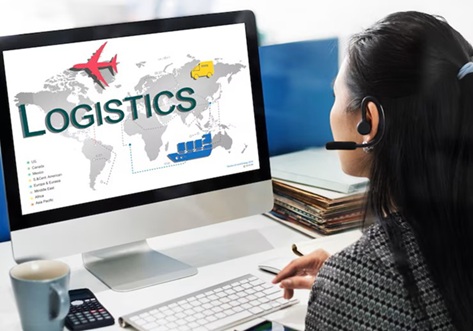
In today’s rapidly evolving business landscape, effective logistics and supply chain management are not just operational necessities — they are critical drivers of competitive advantage, cost efficiency, and organisational sustainability. This course delves into the entire value chain, exploring how products and materials flow from their point of origin to the final consumer, with a strong emphasis on environmental responsibility, risk mitigation, and strategic improvement.
Participants will gain a holistic understanding of logistics and supply chain sustainability, focusing on the practical and strategic approaches that are now boardroom priorities worldwide. Whether you are a supplier, buyer, or operational leader, this course will equip you with the latest frameworks, tools, and actionable skills to optimise your organisation’s supply chain performance.
Course Objectives
By the end of this Logistics and Supply Chain Management course, participants will be able to:
Develop and implement strategies that enhance logistics and supply chain sustainability, resilience, and efficiency
Analyse and control lead times in the movement of goods, improving service delivery and customer satisfaction
Balance cost and service levels to maximise value creation across the supply chain
Apply best-practice techniques, including the Kraljic Matrix for procurement segmentation, to address real-world supply chain challenges
Collaborate effectively with internal and external supply chain partners for integrated value delivery
Measure and improve performance using key metrics, including ISO 28000 supply chain security principles, while managing supply chain risks proactively
Who should attend?
This Logistics and Supply Chain Management course is designed for:
Senior Supply Chain Managers & Executives
Supply Chain Professionals
Customer Service
Manufacturing Leaders
Procurement & Logistics Professionals
Anyone Involved in Supply Chain Projects or Cross-Functional Teams
Training Methodology
Our diverse instructional approaches ensure effective learning:
– Lectures & Presentations: Engage with expert-driven, stimulating content. – Course Material: Access well-crafted supporting resources. – Group Work: Collaborate on discussions and case studies for practical insights. – Workshops & Role-Play: Participate in immersive, scenario-based activities. – Practical Application: Focus on applying theoretical knowledge in real situations. – Post-Training Support: Receive extensive support after training for skill implementation.
Training Outline
Day 1: Foundations of Logistics and Supply Chain Management
Defining logistics and supply chain management: concepts and context
Evolution and emerging trends in supply chain
Dynamics of the modern supply chain
Global logistics: challenges and opportunities
Introduction to the SCOR Model (Supply Chain Operations Reference)
Applying the Theory of Constraints (TOC) to supply chains
Day 2: Transportation Economics & Global Logistics
The strategic role of transportation in the supply chain
Key decision points in transportation management
Modes of transport: selecting and integrating intermodal systems
International Commercial Terms (Incoterms) and legal liabilities
Managing transportation documentation and compliance
Discover how our courses enhance professionals’ effectiveness in their workplaces.
No reviews found. Add reviews from the dashboard or switch source to Manual.
FAQs – Logistics and Supply Chain Management
Master supply network integration, inventory management, demand forecasting, and freight logistics to streamline end-to-end supply chain operations and maximize cost efficiency.
What topics are covered in the Logistics and Supply Chain Management course?
The course covers strategic supply chain integration, end-to-end logistics planning, demand forecasting, inventory control, distribution channel optimization, procurement integration, supplier relationship management, and supply chain risk mitigation.
Who should attend the Logistics and Supply Chain Management training?
This training is designed for supply chain managers, logistics directors, operations leads, inventory controllers, procurement specialists, distribution managers, and business analysts seeking to align logistics and supply chain strategies with business goals.
What are the key learning objectives of this training course?
Delegates learn to streamline end-to-end supply chain flows, minimize total operating costs, improve order fulfillment cycles, enhance supplier collaboration, and leverage data analytics for effective logistics planning.
How long is the Logistics and Supply Chain Management course?
The programme is delivered as an intensive 5-day professional training course featuring practical case studies, end-to-end supply chain mapping exercises, and operational strategy workshops.
What practical skills will delegates gain from this course?
Participants will gain practical skills in evaluating supply chain network performance, calculating total cost of ownership (TCO), optimizing safety stock buffers, structuring key performance indicators (KPIs), and managing supply chain disruptions.
Can Prospen Africa deliver this course as customized in-house training?
Yes. Prospen Africa can tailor the training to reflect your organization’s specific supply chain model, regional distribution network, industry-specific compliance requirements, and enterprise software systems.